
How a 6-Store QSR Franchisee Cut Energy Costs
with a Restaurant Buying Group
A multi-unit quick service restaurant franchisee spent years fighting energy pricing volatility until joining an energy buying group gave six stores the purchasing power of hundreds.
An energy buying group pools many locations' load so small operators negotiate like large buyers.
A 6-store QSR franchisee joined a branded group and gained the leverage of hundreds of comparable stores.
Illustrative results: lower pricing, better contract terms, more competitive supplier bids, and active energy management tools.
The group ran research, account maintenance, market timing, and renewals — the operator just kept running stores.
Why multi-location restaurants overpay for energy.
Quick service restaurants run on thin margins, long hours, and high electricity and natural gas demand. Yet most multi-unit operators buy energy one meter at a time. To suppliers, a six-store franchisee is a small opportunity — so bids come in thin, or not at all.
Add renewals that land on random calendar dates instead of favorable market windows, and energy becomes one of the most volatile, least controllable costs on the P&L.
- Pricing volatility from renewing on calendar dates, not favorable market windows
- Little supplier interest in a six-store load — fewer bids, weaker terms
- Hours lost to research, bill review, and contract chasing
- No visibility into usage, spend, or billing errors between renewals
What is an energy buying group for restaurants?
An energy buying group for restaurants pools the electricity and natural gas load of many locations into a single, aggregated purchase. Because suppliers see one large volume instead of many small accounts, they compete harder and offer better pricing and terms.
Each member still receives its own contract — the group provides the leverage, not a lock-in. It is the same approach the largest energy buyers have always used, made available to small and mid-sized operators.
Joining a proprietary QSR buying group.
The franchisee joined a buying group aggregating hundreds of synergistic QSR locations. Overnight, six meters negotiated with the leverage of a major energy buying group. The operator didn't conduct the research, maintain the accounts, or make the critical timing calls — they authorized the group to decide and run the process end to end.
How a restaurant energy buying group works.
Pooled
The franchisee's electricity and gas load joins the group's aggregated volume through a simple contract authorization.
Timed
The Cloudshadow Intelligence Engine™ monitors the market and delivers the group to suppliers when conditions are favorable.
Competed
Suppliers that wouldn't have bid on six stores competed hard for the buying group's combined volume.
Contracted
The franchisee receives its own contract on group terms — with no lock-in to the group afterward.
Lower price, better terms, less work.
Lower Price
Locked a rate well below the incumbent's renewal offer, via the group's aggregated bids.
Better Terms
Group-level contract flexibility the operator couldn't access with six accounts alone.
Real Supplier Interest
Multiple competitive bids — including suppliers that had previously passed on the accounts.
Active Management
AI analytics, usage monitoring, budget tracking, and a monthly intelligence report — tools the operator was never offered before.
"We went from dreading renewals to not thinking about them. The group did the work, the price came down, and for the first time we see what we're spending."
Operating Partner, 6-unit QSR franchisee
Common questions about restaurant buying groups.
What is an energy buying group for restaurants?
A program that aggregates the electricity and natural gas load of many restaurant locations into one purchase, so members get pricing and terms normally reserved for much larger buyers while keeping their own contracts.
How much can a restaurant save with an energy buying group?
Savings vary by market, load, and timing, so no figure is guaranteed. The advantage comes from aggregated volume, competitive supplier bidding, and buying when the market is favorable rather than at a random renewal date.
Do I keep my own contract in a buying group?
Yes. Each member signs and holds its own supply contract on the group's negotiated terms and is not tied to the group after the pricing event is complete.
Which restaurants can use a buying group?
Any commercial-classified location in a deregulated electricity or natural gas market can participate, including single-unit and multi-unit franchisees. Cloudshadow confirms eligibility by meter and market.
Does the group also manage energy after the contract is signed?
Yes. Active energy management — bill processing, usage monitoring, budget tracking, and monthly reporting — is included, so the work doesn't fall back on the operator.
Ready to buy like
a bigger operator?
Request a complimentary review and we'll show you what your stores look like inside a Cloudshadow buying group.

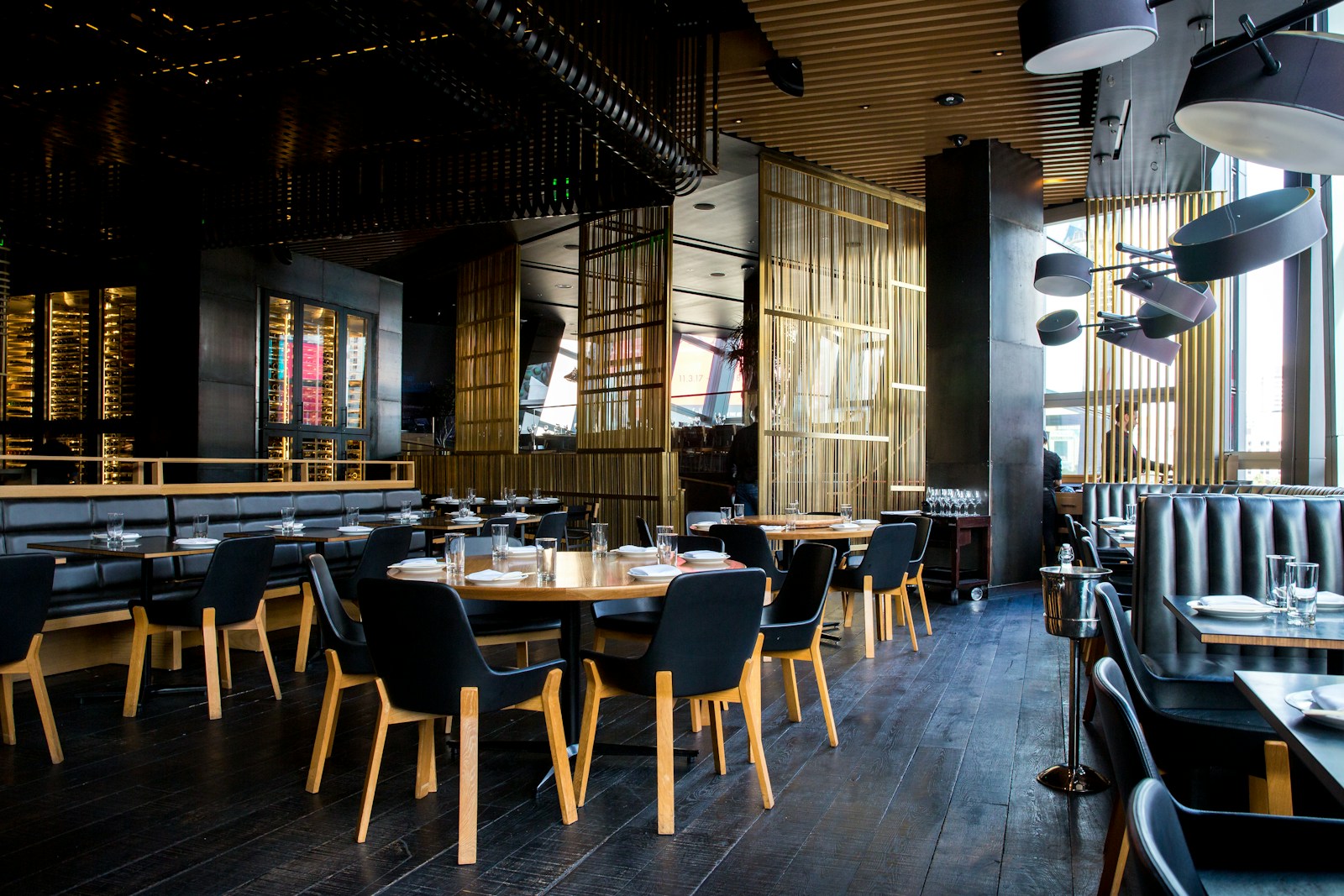
How a 6-Store QSR Franchisee Cut Energy Costs with a Restaurant Buying Group
A multi-unit QSR franchisee spent years fighting pricing volatility until joining a buying group gave six stores the purchasing power of hundreds.
An energy buying group pools many locations' load so small operators negotiate like large buyers.
A 6-store franchisee joined a branded group and gained the leverage of hundreds of comparable stores.
Illustrative results: lower pricing, better contract terms, more competitive supplier bids, and active energy management tools.
The group ran research, account maintenance, market timing, and renewals — the operator just kept running stores.
Why multi-location restaurants overpay for energy.
Pricing volatility from renewing on calendar dates, not favorable market windows
Little supplier interest in a six-store load — fewer bids, weaker terms
Hours lost to research, bill review, and contract chasing
No visibility into usage, spend, or billing errors between renewals
Pooled
The franchisee's electricity and gas load joins the group's aggregated volume through a simple contract authorization.
Timed
The Intelligence Engine™ monitors the market and delivers the group to suppliers when conditions are favorable.
Competed
Suppliers that wouldn't have bid on six stores competed hard for the buying group's combined volume.
Contracted
The franchisee receives its own contract on group terms — with no lock-in to the group afterward.
Lower Price
Locked a rate well below the incumbent's renewal offer, via the group's aggregated bids.
Better Terms
Group-level contract flexibility the operator couldn't access with six accounts alone.
Real Supplier Interest
Multiple competitive bids — including suppliers that had previously passed on the accounts.
Active Management
AI analytics, usage monitoring, budget tracking, and a monthly intelligence report.
We went from dreading renewals to not thinking about them. The group did the work, the price came down, and for the first time we see what we're spending.
— Operating Partner, 6-unit QSR franchiseeReady to buy like a bigger operator?
Request a complimentary review and we'll show you what your stores look like inside a Cloudshadow buying group.
Request Review →Ready to Take Control
of Your Energy?
Let's review your energy accounts and explore how we can help you save, reduce risk, and simplify management.
Next Steps →
Start the Conversation.
Let's review your accounts and explore how we can help.